Adrian Daniel
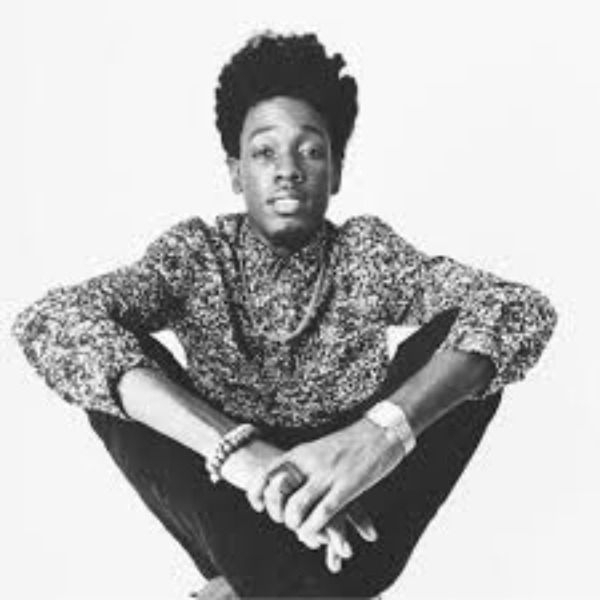
When Adrian Daniel emerged onstage at Austin's Dirty Dog Bar during last week's SXSW festival, it was somewhat of a mismatched sight: a smooth, soulful crooner strutting into the spotlight at a punk rock, heavy metal-oriented venue. Rather than a more appropriate R&B-themed medley to prepare the audience for what they were about to hear, the bar's standard playlist of screaming guitars and thunderous drums filled the atmosphere, abruptly cutting off once Daniel was on the clock.
In a matter of minutes, though, the room was unmistakably his own, transformed by an authoritative performance of "Face of Eve" from his newly-released album, Flawd. If Daniel felt uncomfortable or out of place making such a forced entrance, he didn't show it, handling the situation with the grace and confidence of a battle-tested veteran.
"Aw man, this is going to be interesting," Daniel recalls of his first impression when he walked into the bar. "But you know what; we've performed so many places, we've done the groundwork. So for us, whether the sound is terrible or not, we're gonna do our thing. We're just at that point where we feel like we're that good at it."
Behind Daniel's passionate singing lies an unmistakable Brooklyn grit and swagger, evident in the way he carries himself as well as in his music. On the cover art for Flawd, as well as his previous album Disillusions, his face is scratched out in the form of subway-style graffiti, an artistic choice to not only make the music more about the listener than the artist but also as a nod to his hometown roots.
"That's a New York thing; if you go to the train station and see the posters, they scratch the faces out, and write all types of stuff," he says. "I wanted to bring my city to the artwork."
Much of Flawd focuses on the theme of betrayal, and how Daniel has had to adjust his strategy in the face of it. Often finding himself as the giver in relationships with friends and family, the alt-soul singer realized how these toxic patterns were affecting his life and decided to make a change.
"I had to go out of my way for people a lot, and I realized that people were taking advantage of that," he says. "I had to stop and evaluate that, like, 'Why do I feel the need to have these people around me?' That's a flaw right there that I'm not even realizing, and I could put that on other people, but I have to take responsibility for it too because I'm allowing them to do it."
When Adrian Daniel emerged onstage at Austin's Dirty Dog Bar during last week's SXSW festival, it was somewhat of a mismatched sight: a smooth, soulful crooner strutting into the spotlight at a punk rock, heavy metal-oriented venue. Rather than a more appropriate R&B-themed medley to prepare the audience for what they were about to hear, the bar's standard playlist of screaming guitars and thunderous drums filled the atmosphere, abruptly cutting off once Daniel was on the clock.
In a matter of minutes, though, the room was unmistakably his own, transformed by an authoritative performance of "Face of Eve" from his newly-released album, Flawd. If Daniel felt uncomfortable or out of place making such a forced entrance, he didn't show it, handling the situation with the grace and confidence of a battle-tested veteran.
"Aw man, this is going to be interesting," Daniel recalls of his first impression when he walked into the bar. "But you know what; we've performed so many places, we've done the groundwork. So for us, whether the sound is terrible or not, we're gonna do our thing. We're just at that point where we feel like we're that good at it."
Behind Daniel's passionate singing lies an unmistakable Brooklyn grit and swagger, evident in the way he carries himself as well as in his music. On the cover art for Flawd, as well as his previous album Disillusions, his face is scratched out in the form of subway-style graffiti, an artistic choice to not only make the music more about the listener than the artist but also as a nod to his hometown roots.
"That's a New York thing; if you go to the train station and see the posters, they scratch the faces out, and write all types of stuff," he says. "I wanted to bring my city to the artwork."
Much of Flawd focuses on the theme of betrayal, and how Daniel has had to adjust his strategy in the face of it. Often finding himself as the giver in relationships with friends and family, the alt-soul singer realized how these toxic patterns were affecting his life and decided to make a change.
"I had to go out of my way for people a lot, and I realized that people were taking advantage of that," he says. "I had to stop and evaluate that, like, 'Why do I feel the need to have these people around me?' That's a flaw right there that I'm not even realizing, and I could put that on other people, but I have to take responsibility for it too because I'm allowing them to do it."