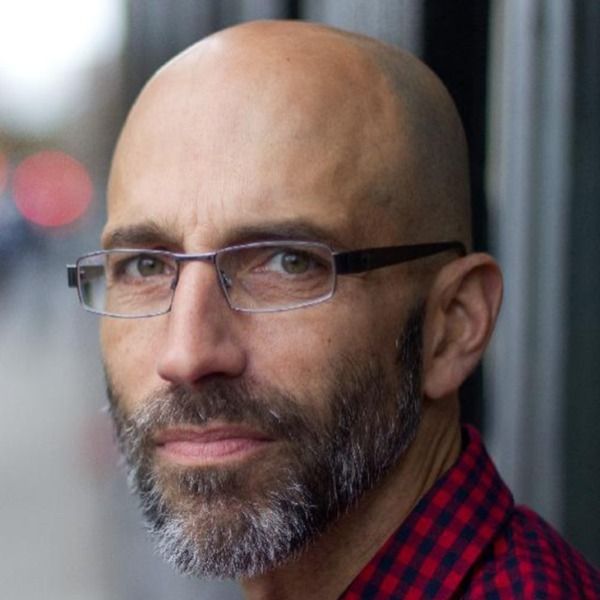
Stephane Grenier
Stephane Grenier is a former member of the Canadian Military who retired as a Lieutenant Colonel after serving for just over 29 years. He participated in several Canadian missions overseas, most notably nine months in Rwanda in 1994/95 and six months in Kandahar, Afghanistan in 2007, as well as numerous shorter deployments to Cambodia, Kuwait, the Arabian Gulf, Lebanon, and Haiti, to name a few.
Faced with his own undiagnosed post-traumatic stress disorder (PTSD) upon return from Rwanda, he took a personal interest in the way, the Canadian Forces, was dealing with mental health issues. In 2001 he coined the term Operational Stress Injury (OSI) and conceived, developed, implemented and managed a government based national peer-support program for the Canadian military. To this day, this program continues to successfully provide peer support to CF personnel, Veterans affected by mental health issues and their families, and also assists those who have suffered the loss of a loved one through a Bereavement Peer Support Program.
In 2007 he was appointed as the Operational Stress Injury Special Advisor to the Chief of Military Personnel and entrusted with the task of creating a Canadian Forces-wide workplace mental health education program. His work led to the launch of a second highly successful non clinical mental health program that now delivers "peer based" mental health education to over 20,000 military personnel per year. This approach has clearly demonstrated through performance indicators that it is a highly effective mental health prevention initiative that significantly contributes to fostering organizational and attitudinal change regarding mental health within the Canadian military.
In 2009, he conceived a corporate mental health awareness campaign that was recognised and endorsed by the Mental Health Commission of Canada (MHCC), the Canadian Mental Health Association, and the Canadian Alliance on Mental Illness and Mental Health as an example of corporate leadership in reducing mental health stigma in the workplace.
Over the course of his career, Stephane was recognised for his team building skills and transformational leadership style. Most notably, he was presented with a Commendation for his collaborative efforts and his outstanding leadership during the post war humanitarian disaster caused by the Rwandan Genocide. He has also been awarded a Meritorious Service Cross by the Governor General of Canada for taking the concept of peer support and driving it from the grass-roots up into a formal federal government program.
In 2009 he was awarded a national Champion of Mental Health Award by the Canadian Alliance on Mental Illness and Mental Health. In 2010 he joined the Mental Health Commission of Canada on assignment from the Canadian Military to spear-head the development of Guidelines of Practice for Peer Support in Canada, amongst other things. He is now a member of the Workforce Advisory Committee of the MHCC and a founding director of Peer Support Accreditation Certification (Canada) (PSAC(C)).
In early 2012, he retired from the military and created Mental Health Innovations consulting (MHIC) in order to dedicate his full attention to developing non clinical mental health interventions as a complement to traditional clinical care.
Stephane Grenier is a former member of the Canadian Military who retired as a Lieutenant Colonel after serving for just over 29 years. He participated in several Canadian missions overseas, most notably nine months in Rwanda in 1994/95 and six months in Kandahar, Afghanistan in 2007, as well as numerous shorter deployments to Cambodia, Kuwait, the Arabian Gulf, Lebanon, and Haiti, to name a few.
Faced with his own undiagnosed post-traumatic stress disorder (PTSD) upon return from Rwanda, he took a personal interest in the way, the Canadian Forces, was dealing with mental health issues. In 2001 he coined the term Operational Stress Injury (OSI) and conceived, developed, implemented and managed a government based national peer-support program for the Canadian military. To this day, this program continues to successfully provide peer support to CF personnel, Veterans affected by mental health issues and their families, and also assists those who have suffered the loss of a loved one through a Bereavement Peer Support Program.
In 2007 he was appointed as the Operational Stress Injury Special Advisor to the Chief of Military Personnel and entrusted with the task of creating a Canadian Forces-wide workplace mental health education program. His work led to the launch of a second highly successful non clinical mental health program that now delivers "peer based" mental health education to over 20,000 military personnel per year. This approach has clearly demonstrated through performance indicators that it is a highly effective mental health prevention initiative that significantly contributes to fostering organizational and attitudinal change regarding mental health within the Canadian military.
In 2009, he conceived a corporate mental health awareness campaign that was recognised and endorsed by the Mental Health Commission of Canada (MHCC), the Canadian Mental Health Association, and the Canadian Alliance on Mental Illness and Mental Health as an example of corporate leadership in reducing mental health stigma in the workplace.
Over the course of his career, Stephane was recognised for his team building skills and transformational leadership style. Most notably, he was presented with a Commendation for his collaborative efforts and his outstanding leadership during the post war humanitarian disaster caused by the Rwandan Genocide. He has also been awarded a Meritorious Service Cross by the Governor General of Canada for taking the concept of peer support and driving it from the grass-roots up into a formal federal government program.
In 2009 he was awarded a national Champion of Mental Health Award by the Canadian Alliance on Mental Illness and Mental Health. In 2010 he joined the Mental Health Commission of Canada on assignment from the Canadian Military to spear-head the development of Guidelines of Practice for Peer Support in Canada, amongst other things. He is now a member of the Workforce Advisory Committee of the MHCC and a founding director of Peer Support Accreditation Certification (Canada) (PSAC(C)).
In early 2012, he retired from the military and created Mental Health Innovations consulting (MHIC) in order to dedicate his full attention to developing non clinical mental health interventions as a complement to traditional clinical care.